

New Articles
-
 100万亿美元项目长啥样? 2026/08/09
如果AM(Artificial Mind & Amorsophia MindsField / Network)真能改变AI的基本范式,它所进入的价值空间有没有100万亿...
- 从 Artificial Intelligence 到 Artificial M... 2026/08/08
从 Artificial Intelligence 到 Artificial Mind From Artificial Intelligence to Artificial Mind ...
- 遮蔽与朗照 2026/08/03
遮蔽与朗照From Obscuration to Illumination——共生经济学视野下的殖官主义、组织革命与文明演进— Bureaucolonia...
- 遮蔽与澄明 ——从殖官主义叙事到组织信托重建 2026/07/30
遮蔽与澄明——从殖官主义叙事到组织信托重建 钱宏(Archer Hong Qian) 前言:时空意...
共生思想理论前沿
THE THEORY
-

-
-

-
 关于中文“共生”翻译及对应的人、事、物之说明
关于中文“共生”翻译及对应的人、事、物之说明 ——Symbiosism:Charles Thomas Taylor &Qian hong又一次量子缠绕...
查看详细说明
Speech
-
 三大自组织货币的共生格局——宏观世界之数字货币 2021/07/08
三大自组织货币的共生格局 ——宏观世界之数字货币 钱 宏 The Institute for Global Symbiosism(...
-
 新汉字yǜ的释义 2019/11/16
语从金音玉(Yǜ):金口玉言,一诺千金,性人诚恳、执信; &n...
-
 钱宏:中国的真实经验与未来走向(凤凰博报专... 2019/11/16
点击播放 中国的真实经验与未来走向《凤凰博报》专访钱宏主持人:...
一个民族生存哲学的苍凉底色
发布时间:2026/04/07 公司新闻 浏览次数:170
一个民族生存哲学的苍凉底色
The Desolate Undercurrent of a National Philosophy of Survival
——《一九四二》《活着》:不断重复而又极度易忘的荒诞穿越
— Back to 1942 and To Live: An Absurd, Repetitive, yet Infinitely Forgetful Transversal
钱 宏(Archer Hong Qian)
2026年4月6日于温哥华
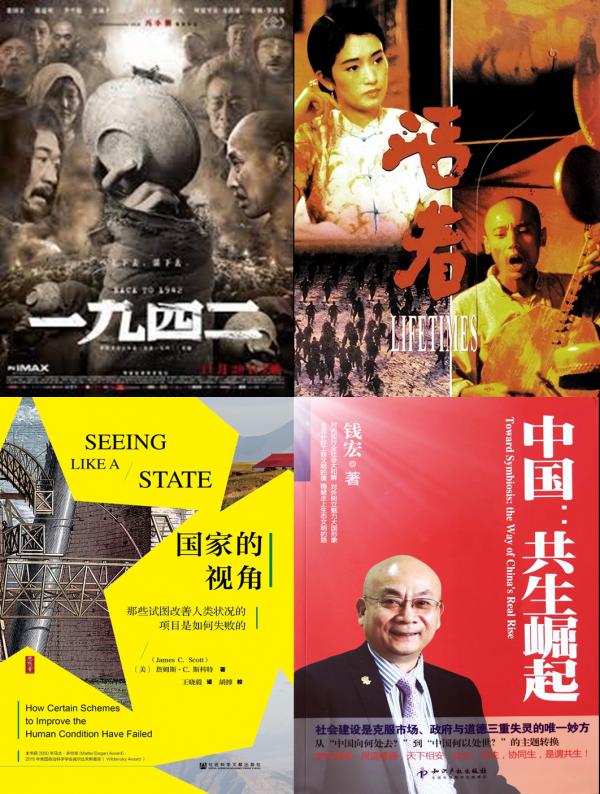
在中国,历史著作浩如烟海,无论是官家的,还是民间的,无不是James C. Scott的“国家的视角”(Seeing Like a State)与“殖官主义”(Reproductive Officialdom)立场,王朝更迭与时代巨变的宏大叙事之间,总隐匿着一些幽暗、潮湿的“间隙”。在这些间隙里,底层的生命状态呈现出一种惊人的“静默”与“穿越”。
刘震云的《温故一九四二》与余华的《活着》共同揭示了中国历史中,底层民众在灾难与变革中不断重复苦难却又极易遗忘的荒诞现状。刘震云透过冷酷的叙事切割剖析权力逻辑下的死亡,而余华则以麻木的冷静展现底层个体为“活着”而活着的韧性。
这两部作品如两面并置的冷冽铜镜,呈现出一个历史性“死循环”的苍凉感:在宏大叙事下,个体沦为可被消耗的代价,而历史在周期性苦难与选择性失忆中荒诞地循环——一个民族生存哲学的底色。
一、 权力的算盘与老东家的“消失”
在刘震云的笔下,一九四二年的河南饥荒不是一场单纯的自然灾害,而是一场由官僚逻辑精心编织的荒诞剧。
从“国家的视角”审视,这场饥荒本质上是“极端现代主义”管理下的视觉暴政。在官僚系统的眼中,现实被简化为地图上的战略物资与棋盘上的国际局势。这种“简单化”治理逻辑导致了严重的“系统性失明”:三百万个具体的、鲜活的生命,在权力的高维算盘里,仅仅是被抽象化的“负累”或“统计数字”。
老东家(范殿元),曾是延津县有头有脸的人物。但在饥荒面前,他迅速被剥落了阶级的外壳。他带着财富、尊严和对秩序的信任踏上逃荒路,却在“东拉西扯”的叙事中,眼睁睁看着亲人一个接一个死于非命。刘震云用冷酷的笔触展示了权力的冷漠:三百万人的生死,在官僚的公文包里、在国际战略的棋盘上,只是被随手“扯”掉的微末细节。
“一个人死三百万次”的荒诞:如果说河南饿死了三百万人,那么在刘震云的逻辑里,这并非一个宏大的统计数字,而是老东家这一个典型人物,在逃荒路上重复死去了三百万次。每一次眼见亲友因几块饼干而易子而食,老东家内心的秩序就崩塌一次。这种高频的、重复的苦难最终导致了“心死”——当死亡变得过于琐碎和必然,痛苦便退化成了麻木。
老东家的荒诞感来自于“殖官主义”(Reproductive Officialdom)逻辑下的契约崩塌。殖官主义的首要任务是权力的自我复制与存续,它天然地排斥和抹杀民间自发的Metis(实践智慧与契约文明)。老东家试图用旧世界的理性和积蓄去对接新世界的毁灭,却发现自己身处一个政治逻辑与生存逻辑完全错位的真空地带。当权力为了“大局”将具体的个人“扯”掉时,老东家的“消失”标志着传统乡村自治文明在冷酷的行政机器面前彻底溃败。
当他最后只剩下孤身一人,在雪地里对着一个同样失去家人的小女孩说“叫我一声爷”时,那种“结构性的遗忘”达到了顶峰——历史只记得将军的功勋,却从未给这三百万个“老东家”留下哪怕一个字符的注脚。老东家的“消失”,不仅是个体的死亡,更是传统乡村契约文明在权力绞肉机面前的彻底崩溃。
二、 命运的玩弄与福贵的“静默”
如果说老东家是被权力逻辑“扯”进了坟墓,那么余华笔下的福贵,则是被政权更替中的暴力反复揉碎。
从挥金如土的阔少到一贫如洗的佃农,福贵的故事具有极强的“穿越感”。他在内战、土改、大跃进、文革等时代洪流中穿行,但这些宏大的名词在他眼里,仅仅意味着亲人的丧失:战友死于炮火,儿子死于抽血医疗事故,女儿死于产后出血,妻子死于贫病,孙子死于饥饿中的豆子。
这里的深层权力逻辑是:当系统试图用一套抽象的、不断变幻的“理性蓝图”去覆盖甚至替代个体的生活逻辑时,个体唯一的生存策略只能是“彻底的退缩”。福贵那种“麻木不记事”的韧性,本质上是Metis(生存智慧)被系统性阉割后的残余。在周期性的、毁灭性的时代暴力面前,任何基于经验的积累和理性的预期都失去了意义。为了在“殖官主义”的齿轮缝隙中活下去,个体必须学会通过自发的“结构性遗忘”来降低痛苦的烈度。
“麻木不记事”的生存韧性:福贵形象的惊人之处在于他的“麻木与坚韧”。他没有反抗,没有升华,只有一种纯粹生物性的存续。他所经历的每一个时代,本质上都是在重复同一种荒诞。因为苦难过于沉重且不断循环,福贵必须学会“遗忘”才能存活。他最后和一头也叫“福贵”的老牛相伴,在落日余晖中吟唱,这种“为了活着而活着”的哲学,消解了苦难的所有意义。
在每一个乱世,福贵这样的家庭都在以同样的方式消亡,这种苦难因为过于普遍,反而成了一种“寻常的背景”,从而被历史轻易地遗忘。福贵的“静默”在于,他放弃了对历史因果的追问,只保留了呼吸的本能。这种生存哲学保护了他不至于发疯,却也让他成为了那个“不断重复”的“好死不如赖活”的荒诞闭环中最消沉的一环。
三、 荒诞的穿越:两个灵魂的隔空对话
将老东家与福贵并置,我们发现了一种跨越千年的“底层密码”:
从荒诞来源看:老东家受困于机制的冰冷,那是权力运作从未真正改变的傲慢;而福贵则受困于宿命的无常,那是时代暴力对个体生命尊严的彻底粉碎。
从重复表现看:在一九四二的逃荒路上,灾难是“常态化的意外”;而在福贵的村庄里,生命是“无目的的延续”。
从穿越指向看:刘震云指向的是社会机制的顽疾,而余华指向的是国民心性的底线——那种面对苦难时,忍受力达到非人程度的惊人韧性。
从权力解剖看:这种跨越时空的重复,揭示了低维行政系统对高维生命体持之以恒的“降维打击”。权力系统通过“管理简单化”抹除了具体的人,只留下易于统治的、丧失记忆的“生存样本”。
结语
这两部作品共同揭示了一个令人战栗的真相:我们不仅在重复苦难,更在重复对苦难的“无感化处理”。老东家的“心死”与福贵的“麻木”,构成了这种穿越性荒诞的一体两面。
这种荒诞剧之所以能穿越千年,是因为我们始终在用“活下去”的本能,掩盖了对“为什么这样活”的追问。只要“国家的视角”依然是唯一的视角,只要“殖官主义”的复制逻辑依然凌驾于“交互主体共生”之上,这种苍凉的底色就不会改变。我们总是在温习苦难,却又总是在下一场苦难来临时,像从未经历过一样,在重复中遗忘,在遗忘中循环。
这,便是一个民族生存哲学的苍凉底色。
The Desolate Undercurrent of a National Philosophy of Survival
— Back to 1942 and To Live: An Absurd, Repetitive, yet Infinitely Forgetful Transversal
By Archer Hong Qian
April 6, 2026, Vancouver
In China, historical records are as vast as the sea. Whether official or private, they are almost without exception viewed through the lens of James C. Scott’s “Seeing Like a State” and the standpoint of “Reproductive Officialdom.” Between the grand narratives of dynastic transitions and epochal shifts, there always lie hidden some dark, damp “interstices.” Within these gaps, the state of life at the grassroots manifests a startling “silence” and “transversal” (pp. 1-2).
Liu Zhenyun’s Back to 1942 and Yu Hua’s To Live collectively reveal the absurd reality of Chinese history, where the common people repeatedly endure suffering yet remain prone to forgetting. Liu dissects the logic of power behind death through a cold, surgical narrative, while Yu showcases the resilience of individuals living solely for the sake of “staying alive” with a numb calmness (p. 2).
These two works serve as parallel, frigid bronze mirrors, reflecting a desolate sense of a historical “death loop”: under grand narratives, individuals are reduced to expendable costs, and history cycles absurdly through periodic suffering and selective amnesia—this is the base color of a nation’s philosophy of survival (p. 2).
- The Abacus of Power and the “Disappearance” of the Old Landlord
In Liu Zhenyun’s writing, the 1942 Henan famine is not a simple natural disaster, but an absurd drama meticulously woven by bureaucratic logic (p. 2).
When scrutinized through “Seeing Like a State,” this famine was essentially a visual tyranny under “High Modernist” management. In the eyes of the bureaucratic system, reality is simplified into strategic resources on a map and international dynamics on a chessboard. This “simplification” of governance leads to a severe “systemic blindness”: three million specific, vibrant lives are reduced to abstract “burdens” or “statistical figures” on the high-dimensional abacus of power (p. 2).
The Old Landlord (Fan Danyuan) was once a man of status in Yanjin County. Yet, in the face of famine, his class exterior was swiftly stripped away. He embarked on a flight from famine carrying wealth, dignity, and a trust in order, only to watch his kin perish one by one in a narrative of “unraveling threads.” Liu uses a cold brush to display the indifference of power: the life and death of three million people are merely trivial details “torn away” from the bureaucrat’s briefcase or the international strategic chessboard (p. 2).
The absurdity of “One Man Dying Three Million Times”: If three million people starved in Henan, then in Liu’s logic, this is not a grand statistical figure; rather, it is the archetypal figure of the Old Landlord dying three million times over on the road. Every time he sees friends or family exchange children for food for a few biscuits, the order within his heart collapses. This high-frequency, repetitive suffering eventually leads to “death of the heart”—when death becomes too mundane and inevitable, pain regresses into numbness (p. 2).
The Old Landlord’s sense of absurdity stems from the collapse of social contracts under the logic of “Reproductive Officialdom.” The primary mission of this officialdom is the self-replication and survival of power, which naturally excludes and obliterates the spontaneous Metis (practical wisdom and local contracts) of the people. The Old Landlord attempts to use the rationality and savings of the old world to interface with the destruction of the new, only to find himself in a vacuum where political logic and survival logic are completely misaligned. When power “tears away” specific individuals for the sake of the “big picture,” the “disappearance” of the Old Landlord marks the total defeat of traditional rural self-governance before the cold administrative machine (p. 2).
When he is finally left alone in the snow, telling a little girl who has also lost her family, “Call me Grandpa,” the “structural forgetting” reaches its peak. History remembers the general’s merits but leaves not a single footnote for these three million “Old Landlords” (p. 2).
- The Cruelty of Fate and Fugui’s “Silence”
If the Old Landlord was “torn” into his grave by the logic of power, then Fugui, in Yu Hua’s To Live, is repeatedly crushed by the violence of regime change (p. 3).
From a profligate young master to a destitute tenant farmer, Fugui’s story possesses a powerful sense of “transversal.” He drifts through the tides of the Civil War, Land Reform, the Great Leap Forward, and the Cultural Revolution. Yet, to him, these grand terms signify only the loss of his loved ones: comrades dying in shelling, his son dying in a blood transfusion accident, his daughter dying of postpartum hemorrhage, his wife of poverty and illness, and his grandson choking on beans during a time of hunger (p. 3).
The deep logic of power here is: when a system attempts to use an abstract, ever-changing “rational blueprint” to cover or even replace the logic of individual life, the only viable survival strategy for the individual is “total withdrawal.” Fugui’s “numbness that forgets the past” is essentially the residue of Metis (survival wisdom) after it has been systemically castrated. In the face of periodic, destructive epochal violence, any accumulation based on experience or rational expectation loses meaning. To survive in the gears of “Reproductive Officialdom,” the individual must learn a spontaneous “structural forgetting” to dampen the intensity of pain (p. 3).
Fugui’s “silence” lies in his abandonment of the quest for historical causality, retaining only the instinct to breathe. This philosophy of survival protects him from madness, but it also makes him the most despondent link in that “continuously repeating” absurd loop of “better to live a dog’s life than to die a good death” (p. 3).
III. The Absurd Transversal: A Dialogue Between Two Souls
Juxtaposing the Old Landlord and Fugui reveals a “grassroots code” spanning a millennium (p. 3):
- From the Source of Absurdity: The Old Landlord is trapped by the coldness of the mechanism—the enduring arrogance of power’s operation. Fugui is trapped by the whims of fate—the total shattering of individual dignity by epochal violence (p. 3).
- From the Power Anatomy: This repetition across time and space reveals the persistent “downward blow” dealt by low-dimensional administrative systems to high-dimensional living entities. Through “management simplification,” the power system obliterates the specific person, leaving behind only an easily governed, amnesiac “survival specimen” (p. 3).
Conclusion
These two works collectively reveal a shivering truth: we are not only repeating suffering, we are repeating the “desensitized processing” of it (p. 4).
This absurd drama traverses a thousand years because we consistently use the instinct of “staying alive” to mask the questioning of “why we live this way.” As long as the “State’s Perspective” remains the only perspective, and as long as the replication logic of “Reproductive Officialdom” overrides “Intersubjective Symbiosis,” this desolate base color will not change. We are always revisiting suffering, yet when the next disaster arrives, we face it as if we have never experienced it before—forgetting amidst repetition, and repeating amidst forgetting (p. 4).
This, then, is the desolate undercurrent of a nation’s philosophy of survival (p. 4).



“东拉西扯”是评价刘震云文学风格的一个核心关键词。这四个字不仅精准地概括了他的叙事方式,也点出了他作品中深藏的处世哲学和逻辑美学。
以下是从不同维度对刘震云“东拉西扯”式写作的分析:
1. 独特的叙事结构:看似散漫,实则严密
刘震云的作品常常给人一种“话痨”或“不着边际”的感觉,但这种东拉西扯实际上是一种高超的结构布局:
环环相扣的逻辑:从《一句顶一万句》开始,这种风格被发挥到了极致。一件事引发另一件事,看似离题万里,实则逻辑关系非常严密,事情环环相扣。
题外即是正题:在他的新作《咸的玩笑》中,他将这种结构进一步拓展,解释说“题外是正题,正题是题外”,因为生活中的因果往往不是直接的,而是充满了“血脉相连的暗流”。
环球人物网
环球人物网
+1
2. 对“孤独”与“沟通”的深度挖掘
“东拉西扯”在刘震云笔下往往是人物缓解孤独或寻找共鸣的方式:
寻找“说得着”的人:他作品中的人物,如吴摩西或牛爱国,终其一生都在“东拉西扯”中寻找一个能“说得上话”的人。
消解孤独的工具:在匮乏的生活中,这种天南海北的闲扯是普通人面对孤独时最无奈也最真实的对抗手段。
3. 文学语言的“绕”与幽默
刘震云自嘲是中国最“绕”的作家,这种绕弯子的语言风格正是“东拉西扯”的表象:
机锋与妙语:无论是在书中还是在公众场合,他常常妙语连珠、机锋尽出,这种“扯淡”被形容为像文化人在讲相声。
生活的“拧巴”:通过琐碎、重复、跳跃的叙述,他勾勒出中国基层社会那种“拧巴”的人际关系和生存状态。
4. 争议与评价
这种风格也引来了一些两极分化的评价:
正面:认为这是对汉语叙事方式的伟大创新,深刻揭示了民族性格中的某种特质。
负面:有批评者认为他的写作有时陷入了过度议论和无休止插科打诨的“死胡同”,甚至指责其长篇作品如《故乡面和花朵》中大段的顺口溜是无效的堆砌。
中国作家网
中国作家网
+1
总结来说,刘震云的“东拉西扯”不是真乱,而是一种“形散而神不散”的艺术处理。他用这种方式构建了一个庞杂的人间剧场,去捕捉那些在直线逻辑下无法被言说的情感与真相。
2026年04月07日下午2:18